
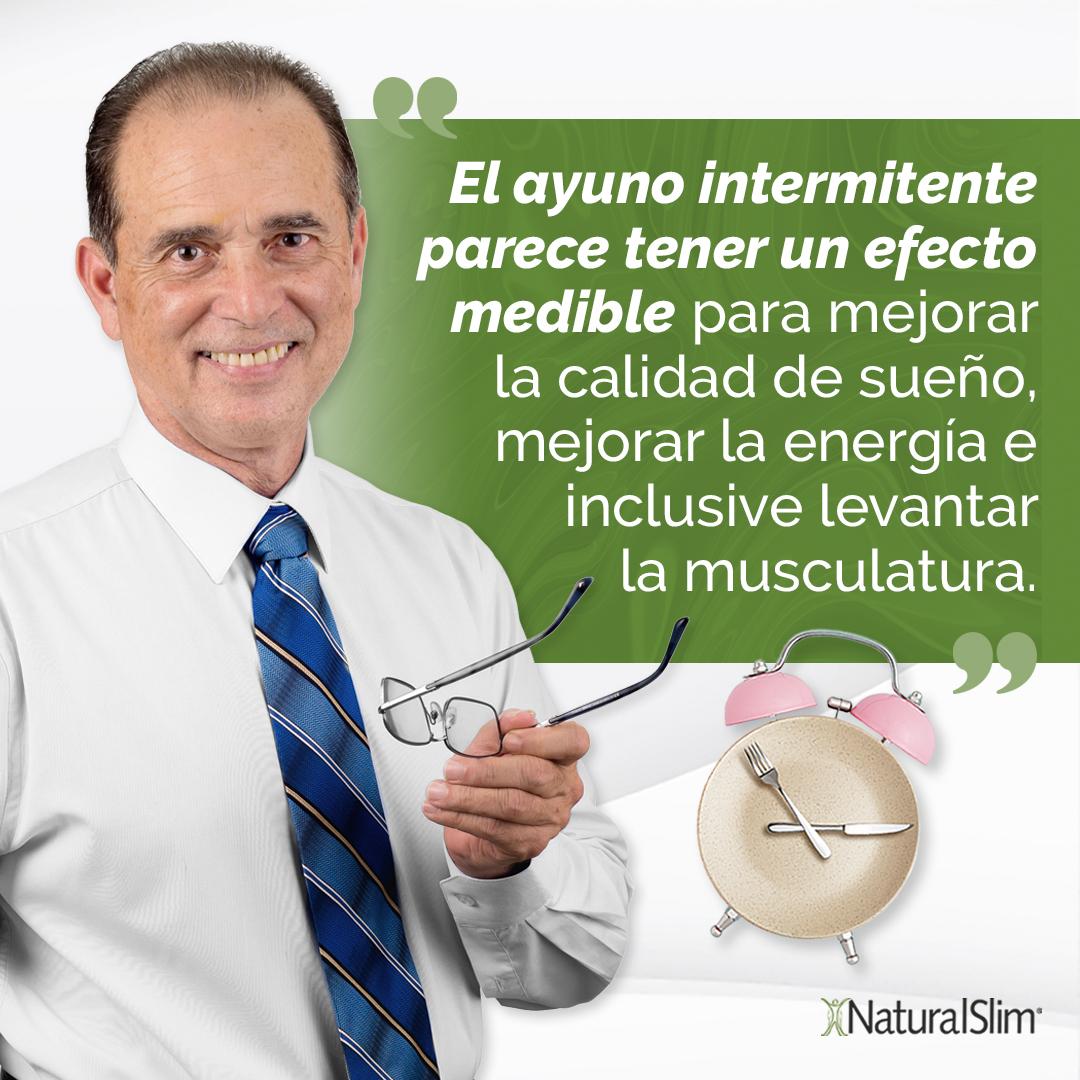
You've probably heard about intermittent fasting plenty of times. It's one of those topics that pops up everywhere, usually wrapped in exaggerated promises. Here we'll look at it calmly: what it actually is, how to do it sensibly, and what role it can play within a lifestyle that takes care of your metabolism.
Let's start with the most important point: intermittent fasting isn't for everyone, and it isn't a magic solution. It's simply a way of organising the hours during which you eat. Nothing more, and nothing less.
What is intermittent fasting?
Intermittent fasting, like any fast, is a period during which you don't eat. It's called "intermittent" because it means alternating a window of hours without food (for example 12, 14 or 16 hours) with a window in which you do eat.
It helps to be clear about one idea from the start: it isn't a diet, and it isn't about "not eating". Quite the opposite. It's about eating balanced meals within your eating window, and leaving the rest of the time free of snacking.
Think of your body as an engine. The point isn't to run out of fuel — it's to organise more sensibly when the fuel arrives. Done with common sense, it fits the idea of taking care of how you eat rather than going hungry.
It isn't about not eating
This is the most common misunderstanding. Someone doing intermittent fasting properly doesn't eat less real food — they organise the hours. If you decide to try it, there are three things always worth respecting:
- Stay well hydrated. Water makes a big difference during the fasting hours.
- Include all food groups within your eating window. The goal isn't to restrict, but to eat better.
- Look after your intake of quality vitamins and minerals, because your body needs them just the same.
The best-known approaches
When people talk about "types" of intermittent fasting, they mean the hours, not the food. The most common are:
- The 16/8 pattern: many people choose to eat, for example, between 12:00 and 20:00, leaving the rest of the day without food.
- The two-days-a-week pattern: using the fasting window on just two specific days and eating at normal times on the others.
You don't have to do it every day, and you shouldn't force things. If you're thinking of doing it on several days a week, the sensible move is to check first with your healthcare professional or nutritionist.
Can I have anything during the fasting hours?
During the fasting window, calorie-free drinks are usually allowed: water, tea or coffee, as long as they contain no sugar, sweeteners, flavourings or dairy. And, once again, hydration is what helps you handle it best.
Prepare your body sensibly
If you decide to try intermittent fasting, doing it gradually and with good support changes the experience a great deal. A few pointers that tend to help:
- Increase the hours little by little. You can start with a short fasting window and widen it over the weeks, at your own pace.
- Look after your electrolytes. Magnesium and potassium are minerals worth keeping topped up. You can get them from foods like vegetables and salads, and many people also lean on a supplement.
- Build on the 3x1® Diet. It's the way of eating we teach within the NaturalSlim® System: it helps you bring together the nutrients your body needs and reach your next meal feeling less hungry.
About the minerals: MagicMag® magnesium contributes to the normal functioning of the nervous system, to normal muscle function, to electrolyte balance, and to a reduction of tiredness and fatigue. And Kadsorb™ potassium contributes to the normal functioning of the nervous system and to normal muscle function. These are contributions many people value when they reorganise their meal times.
Remember: we're all different
Intermittent fasting can be a useful tool within a lifestyle that takes care of your metabolism, but it isn't a diet and it doesn't work the same way for everyone. What suits one person may not suit another. So it's worth listening to your body and, if you have doubts, taking the step with guidance.
At NaturalSlim Europe you have a team of Certified Metabolism Consultants™ at your disposal. They can help you understand your metabolism type, work out where to begin, and decide whether a practice like intermittent fasting fits your situation. There's nothing to buy to get started: the first step is simply talking to someone who understands your metabolism. You can see how it all works in the introduction to the NaturalSlim program.
Because, in the end, it isn't about having more willpower. It's about having the right information — and using it in your favour.



Share:
How Belly Fat Is Created (and How to Start Reducing It)
Does the Perfect Diet Exist?